Understanding the Need for Reliable Waterproofing
Water leakage can create serious problems for residential commercial and industrial buildings. Rainwater may enter through roof cracks weak joints and damaged surface coatings. Over time moisture can affect concrete finishes ceilings and interior walls. Selecting suitable waterproofing materials helps reduce these risks and supports the durability of construction projects. Property owners should consider the roof design local weather conditions and existing surface damage before choosing a suitable waterproofing solution.
What Makes Bitumen Membrane Sheet a Practical Choice
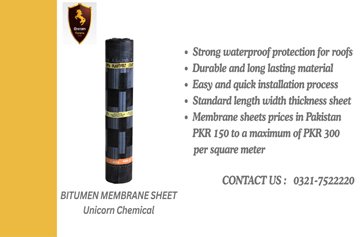
A bitumen membrane sheet is a waterproofing material commonly used to protect roofs foundations and other suitable construction surfaces against water penetration. It is manufactured using bitumen and may include reinforcing materials that improve strength and flexibility. Some products contain modified bitumen designed to improve performance under changing temperatures. These membranes are available in different thicknesses and specifications according to project requirements. Choosing the correct product helps contractors create a continuous waterproofing layer when installation is carried out properly.
Main Types of Bitumen Membranes
Bitumen membranes are available in several varieties for different construction applications. APP modified membranes are designed to provide useful resistance to elevated temperatures and weather exposure. SBS modified membranes generally offer greater flexibility and can accommodate certain movements in the supporting surface. Some products use polyester reinforcement while others contain fibreglass reinforcement. Each option has different performance characteristics so buyers should review technical specifications before selecting a membrane for a particular project.
Common Applications in Construction
These membranes are widely used in selected roofing and waterproofing projects. Flat roofs and concrete terraces may require a suitable membrane to reduce leakage during rainfall. Foundations and underground structures can also use specialised bituminous systems to limit water penetration from surrounding soil. Commercial buildings warehouses and industrial facilities may require membranes across larger roof areas. The correct system depends on surface conditions expected water exposure and the design requirements of the structure.
Benefits of Using Bitumen Waterproofing
A properly selected bitumen membrane can create a continuous barrier against water. Reinforced products can provide useful tensile strength while modified formulations may improve flexibility and resistance to temperature changes. Membrane systems can also cover suitable prepared surfaces and help protect vulnerable construction materials. Their performance depends on correct application and appropriate detailing around joints outlets and roof edges. Regular inspection helps identify damage before it develops into a more serious leakage problem.
Preparing the Surface Before Application
Surface preparation is essential for successful waterproofing. Contractors should remove dust loose particles and other contaminants before installing the membrane. Existing cracks and damaged areas should be assessed and repaired with compatible materials. The surface may also require a suitable primer according to the manufacturer's instructions. Drainage outlets should be checked to ensure that water can flow away from the roof. Proper preparation improves adhesion and helps reduce the risk of installation defects.
Installation Methods and Safety Requirements
Some bitumen membranes are installed using a torch while other products use self adhesive methods or approved bonding systems. The selected installation technique must match the product specifications and site conditions. Torch application requires trained workers and strict fire safety precautions because open flames can ignite nearby combustible materials. Installers should follow the manufacturer's instructions and use appropriate protective equipment. Correct overlapping and careful treatment of joints are necessary to maintain continuity across the waterproofing layer.
Selecting the Right Membrane Specifications
Buyers should compare membrane thickness reinforcement type flexibility and temperature resistance before purchasing a product. Roof exposure and expected foot traffic may also influence the selection. Projects with demanding conditions may require specialised systems designed for particular water pressure or environmental exposure. Technical data sheets provide important information about product performance and application requirements. Consulting experienced contractors can help property owners select materials that meet the needs of their buildings.
Maintenance and Long Term Performance
Regular inspections help preserve the effectiveness of a bitumen waterproofing system. Property owners should check visible seams roof edges drainage outlets and areas surrounding pipes or other penetrations. Accumulated debris should be removed to prevent water from collecting on the surface. Any punctures blistering or separated joints should be assessed by a qualified professional. Timely repairs can help reduce water damage and extend the useful life of the installed membrane system.
Conclusion
Bitumen membranes provide a practical waterproofing option for many roofing and construction applications. Selecting a suitable bitumen membrane sheet requires attention to material composition surface conditions and installation requirements. Proper preparation and skilled application help create a reliable barrier against water penetration. Property owners should compare technical specifications and consult qualified professionals before making a decision. With suitable maintenance and careful installation a well designed waterproofing system can support the durability and performance of a building for years to come.
Tags : bitumen membrane sheet