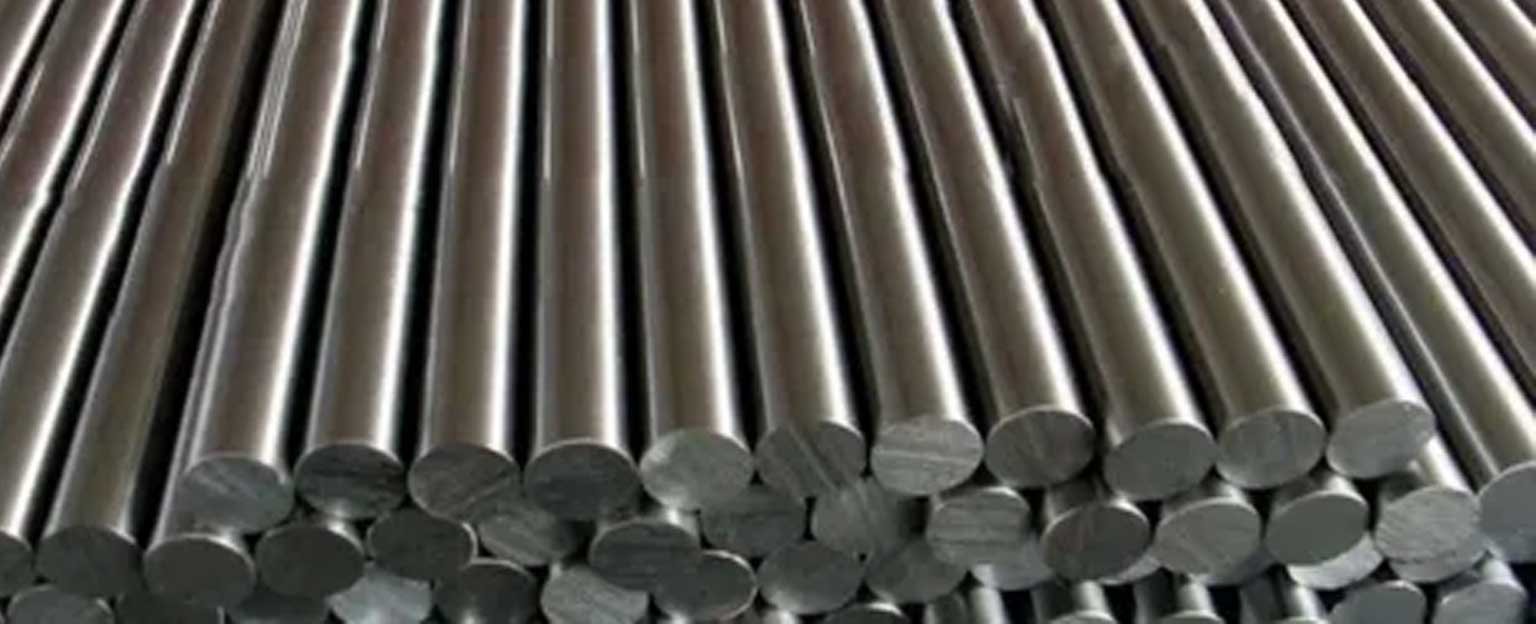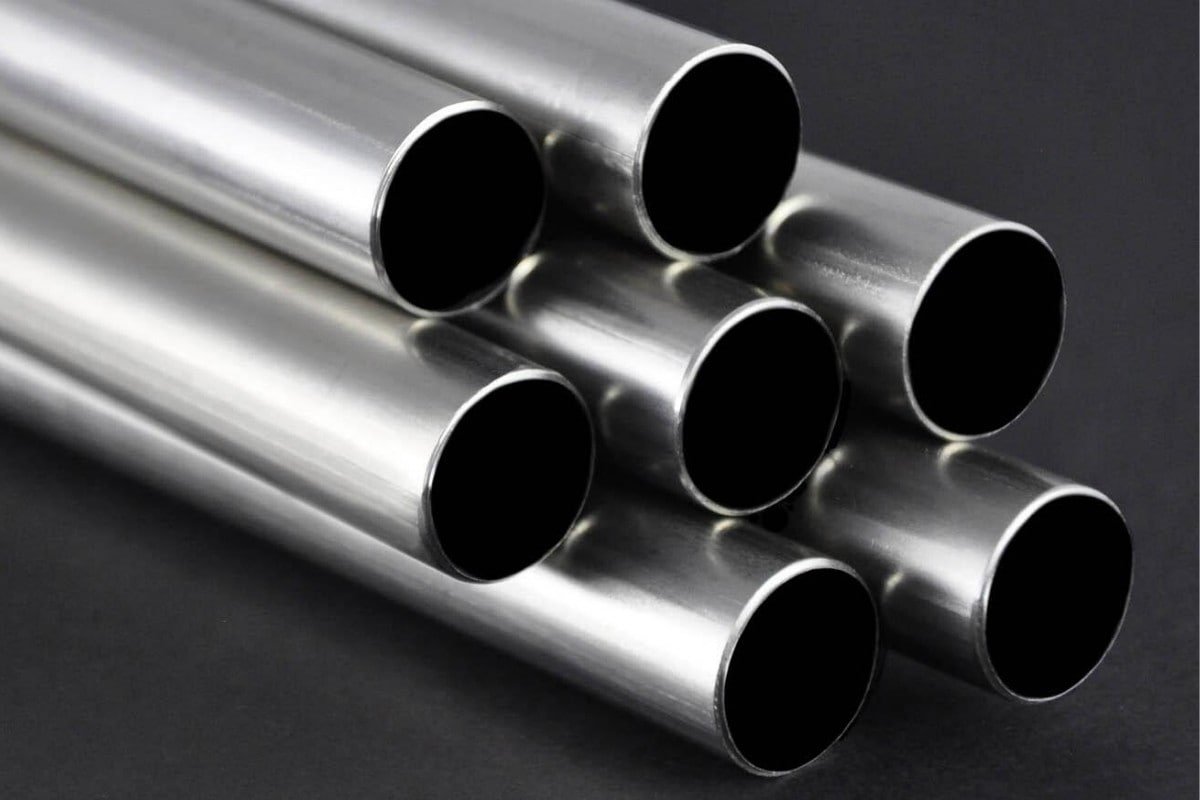
A stainless steel seamless pipe is manufactured without a longitudinal welded seam. Industrial piping relies on these materials for corrosion resistance, mechanical reliability, and consistent pipe construction. Chemical processing, oil & gas extraction, petrochemical refining, power plants, food processing, and water treatment facilities install them daily. ASTM A312 covers seamless and welded austenitic stainless steel pipe for specified high-temperature and general corrosive service applications.
What Are Stainless Steel Seamless Pipes?
Seamless stainless steel pipes start as solid steel billets. The mill heats the billet and pierces the center to create a hollow tube. Drawing and rolling processes form the final dimensions. The final product lacks a longitudinal weld. This physical trait matters in specific demanding piping applications. Plants commonly use grades like 304, 304L, 316, and 316L. The choice depends entirely on service requirements. A seamless construction does not make every pipe suitable for extreme pressure, temperature, or chemical environments. The metal chemistry still limits the performance.
8 Key Benefits of SS Seamless Pipes
1. Excellent Corrosion Resistance
The chromium content in stainless steel leads to the formation of a passive protective oxide layer on the surface. This layer prevents moisture, oxygen, and a variety of industrial fluids from damaging the basic iron. Many plants handle acidic chemicals and brine water with stainless steel pipes that resist corrosion. The corrosion behavior of the material is always a function of the material grade and the daily operating conditions. Grade 316 is superior to 304 in terms of chlorides.
2. Consistent Pipe Construction
There is no longitudinal weld seam, which means that there is a consistent physical structure across the full circle. The absence of a longitudinal weld provides continuous material around the pipe circumference. This can be advantageous in applications where weld-related discontinuities are a design consideration. Thermal expansion, however, is governed primarily by the material's coefficient of thermal expansion and the piping system design.
3. Good Pressure-Handling Capability
High-pressure fluid transfer is commonly specified to be seamless by engineers. There is no weld to worry about cracking under abrupt pressure increases. The total pressure rating is subject to the whole pipe specification. The safe working limits are determined by the wall thickness, steel grade, operating temperature and engineering design calculations. A narrow, seamless pipe will burst even under extreme pressure.
4. High Strength and Durability
These pipes maintain high tensile strength and physical toughness. They resist mechanical stresses from heavy fluid volume and pump vibrations. Industrial systems expose piping to sudden pressure drops, constant vibration, and rapid temperature variations. The solid metal walls withstand these daily operational realities. Mechanical properties vary heavily based on the specific stainless steel grade and the heat treatment condition.
5. Suitability for High-Temperature Applications
Specific stainless steel grades operate safely in elevated-temperature services. Heat-treatment systems, hot process piping, power plant boilers, and thermal equipment rely on these materials to prevent structural warping. Standard metals lose yield strength as heat increases. Selecting a grade designed for the actual thermal conditions and process atmosphere prevents premature failure. Grade 310 handles constant heat better than standard 304.
6. Smooth Internal Surface and Flow Performance
Seamless pipes, if made correctly, have an extremely smooth inside surface. A smooth wall decreases friction and keeps the appropriate flow rates. It reduces the probability of scale deposits and thick chemical buildup. This feature assists plant operators in cleaning the lines easily. If the inside walls are not kept clean, batch contamination can occur in food facilities, pharmaceutical production, chemical pipelines, and essential fluid-handling systems.
7. Low Maintenance Requirements
The resistance of the base to corrosion and its physical endurance mean that in the right environment the pipe does not need to be replaced often. Properly specified pipes last for decades without rusting. Less chemical flushing, smooth inside walls. These variables lessen the downtime for routine maintenance. There is no industrial pipe totally maintenance-free. Harsh chemicals will eventually break down any metal. Visual, ultrasonic inspections should be carried out on a regular basis.
8. Wide Industrial Applicability
They are used in chemical processing lines for volatile acids. The fluids are then transported by oil and gas pipelines. Petrochemical plants build refining structures of high pressure. Thick-walled pipes are used for steam in power generation boilers. Food and beverage facilities require sanitary fluid transmission. Pharmaceutical production demands sterile lines. Water treatment plants pump a lot of fluid. These materials are used daily in heat exchangers, thermal systems, and ordinary industrial piping networks.
Stainless Steel Seamless Pipe vs Welded Pipe
The manufacturing method separates these two categories. Seamless pipes are extruded from solid billets. Welded pipes are rolled from flat steel sheets and joined with a structural weld. Seamless pipes lack a weld seam entirely. High internal pressure and severe temperature requirements often push engineers toward seamless options. Welded pipes dominate large diameter requirements. Welded pipes cost less and have shorter mill lead times. Application requirements dictate the final choice. A seamless pipe is not automatically the better choice for every industrial piping system. Low-pressure water lines often use welded pipes safely.
How to Select the Right Stainless Steel Seamless Pipe
Select the right grade of stainless steel to match the chemical and fluid content of the process. Design pressure and maximum operating temperature. These variables set the required pipe diameter and standard wall thickness. Identify the genuine corrosion criteria, for example, chlorides or acidity. The application of seamless construction criteria to the individual line should be ensured. The assortment shall be inspected for conformance to ASTM/ASME standard norms. Check the certification papers and the examination standards it requires. The supplier shall assure full traceability of materials.
Quality Checks Before Purchasing
Use positive material. Tests of identification for the determination of chemical composition. Obtain and review actual mill tensile and mechanical test reports. Conduct physical measurements for diameter and overall straightness. Randomly measure the wall thickness along the length of the pipe. Inspect the outside for surface flaws. Check the results of the hydrostatic test to prevent any leaks. Review articles on ultrasonic or other non-destructive testing as described by the project. Check records of heat treatment. Get a genuine material test certificate. Make sure the physical heat number matches the paperwork.
Conclusion
SS Seamless Pipes deliver eight functional benefits for industrial facilities. The material provides corrosion resistance, consistent construction, strong pressure capability, physical strength, temperature performance, reliable flow characteristics, lower maintenance demands, and broad application versatility. Actual field performance depends entirely on the selected grade, physical dimensions, manufacturing quality, and the specific operating environment. Engineers must verify ASTM/ASME code requirements before authorizing a purchase. Always check the final testing records, quality certification, and metal traceability before finalizing the pipe installation. Buyers evaluating stainless steel seamless pipe suppliers can also consider suppliers such as Zhejiang Xintongda Special Steel Manufacturing Co., Ltd. (XTD), while verifying the supplied grade, applicable specification, testing records, and material traceability against project requirements.