What Makes Collision Repair Different From Conventional Auto Body Repair?
By Carstar Spectrum Auto Cortlandt Inc 27-10-2026 1
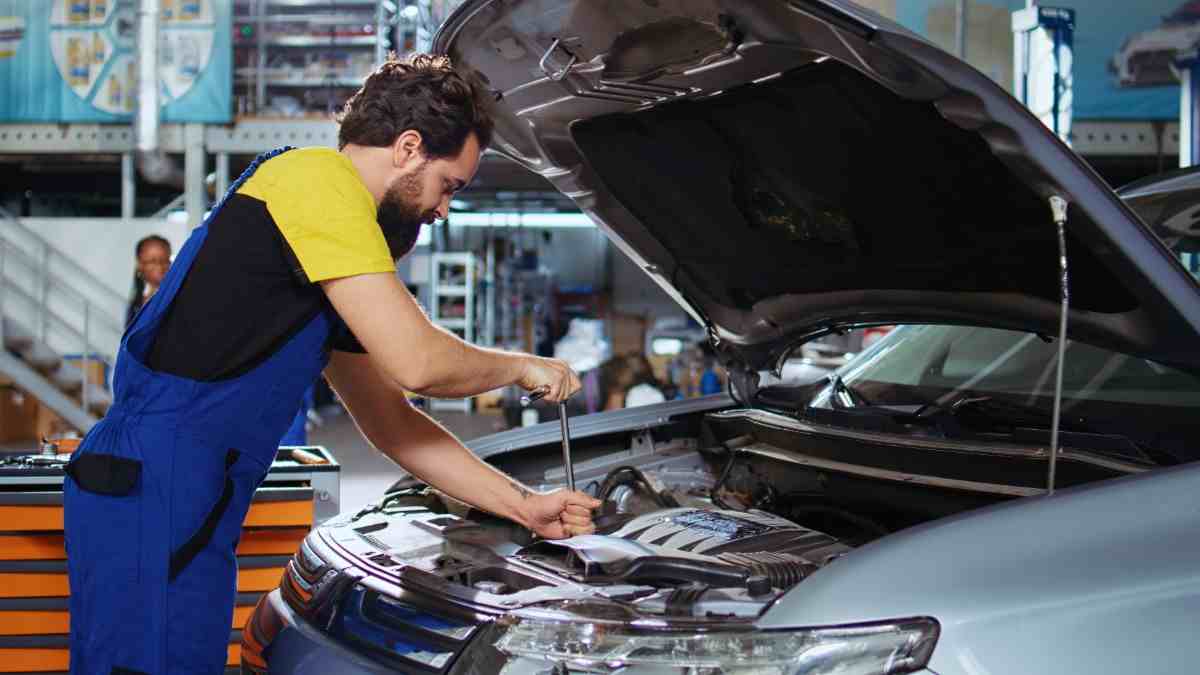
Many drivers use "collision repair" and "auto body repair" as if they mean the same thing. Both involve dents, panels, and paint, and both happen in a body shop. The difference shows up in what lies beneath the surface.
Conventional body work focuses on appearance, while collision repair restores how a vehicle performs and protects its occupants after a crash. In 2026, with more sensors and advanced materials in every new model, that gap has grown wider. If you need car collision repair in Wurtsboro, understanding the distinction helps you know what to expect from the estimate and the work. This guide explains how the two differ.
Conventional auto body repair: restoring appearance
Conventional auto body repair handles cosmetic damage. Typical jobs include:
- Small dents and door dings
- Scratches and paint chips
- Minor bumper scuffs
- Rust spots and surface corrosion
- Faded or damaged paint
The goal is to make the vehicle look right again. The work usually stays at the surface, and the vehicle's structure and safety systems are not involved.
Conventional work still requires skill. Matching paint, blending color into neighboring panels, and removing small dents without damaging the finish all take training. The difference is the scope of what is being restored.
Collision repair: restoring structure and safety
Collision repair begins where an accident has affected more than appearance. It may involve the vehicle's frame or unibody, crumple zones, airbags, sensors, wiring, suspension, and alignment.
The goal is broader: to return the vehicle to its pre-accident condition in fit, function, and safety performance. That often requires equipment, procedures, and documentation that cosmetic work does not.
Collision repair also tends to involve more parts. Brackets, clips, absorbers, and sensors behind a panel may all need replacing, even when the outer surface looks repairable.
A side-by-side comparison
Difference 1: Structural measurement
After an impact, the vehicle's structure may shift by small amounts that are not visible. Collision repair uses electronic measuring systems to compare the body against factory dimensions.
If the structure has moved, it must be corrected before outer panels can fit properly. Conventional body work rarely needs this step.
Measurement results are also useful later. A printout showing the structure was returned to specification is a strong record for insurance, resale, and any future repair.
Difference 2: Automaker repair procedures
Collision repair follows the automaker's published procedures. These define which parts can be repaired, which must be replaced, and how new parts are joined.
Tesla's body structure materials guidelines show how specific these rules can be. They state that ultra-high-strength steel should not be repaired unless explicitly allowed, and that aluminum panels with creases or kinks require replacement. Other automakers publish similar requirements.
A trained collision repair center follows these procedures for each vehicle, rather than applying a general method to every job.
Difference 3: Safety systems and calibration
Collisions often affect airbags, seat belt pretensioners, and the sensors behind them. Deployed airbags must be replaced. The National Highway Traffic Safety Administration advises replacing used air bags right away after a crash, only at an authorized repair facility.
Driver-assistance cameras and sensors may also need calibration. According to CCC Intelligent Solutions' Crash Course 2026 report, the share of repairable claims that included a calibration rose from 21.8% in 2024 to 28.3% in 2025. Cosmetic repairs rarely involve these steps.
Difference 4: Insurance and documentation
Collision repair often involves an insurance claim, with estimates, supplements, and reinspections. In New York, 11 NYCRR 216.7 sets timelines for insurers, including reinspection of hidden damage within two business days of notice.
Documentation is more detailed as a result. Expect photos, scan reports, and itemized invoices, which are rarely needed for a minor cosmetic fix.
When you contact a collision repair shop in Wurtsboro NY after an accident, mention whether a claim has been filed. The shop can then coordinate with your insurer from the start.
Difference 5: Cost and timeline
Collision repairs generally take longer and cost more than cosmetic work. CCC reports that the average total cost of repair for repairable claims reached $4,818 in 2025. Teardown, parts ordering, measurement, refinishing, and calibration all add time.
Cosmetic work can often be completed more quickly, sometimes within a day for small dents or scratches.
A realistic timeline for car collision repair in Wurtsboro depends on parts availability and insurer approvals. Ask for an updated estimate of completion after teardown, when the full scope of damage is known.
When minor-looking damage needs collision repair
Not every collision looks serious. A low-speed bump can still bend a bracket, move a sensor, or shift a mounting point. Signs that a repair goes beyond cosmetic include:
- Warning lights after the impact
- Doors, hood, or trunk that no longer close evenly
- The vehicle pulling to one side
- Uneven panel gaps near the damage
If you notice any of these, ask a collision repair shop to inspect the vehicle before choosing a cosmetic-only fix.
Finding car collision repair in Wurtsboro
Spectrum Auto Inc. serves Sullivan County drivers from its Wurtsboro location, along with shops in West Nyack and Montrose. The Spectrum Auto team inspects structure, safety systems, and finish together, and keeps owners informed from estimate to final quality check.
Frequently asked questions
Is collision repair the same as auto body repair?
They overlap, but collision repair goes further. It restores structure and safety systems as well as appearance.
How do I know if I need collision repair or just body work?
If the damage came from an impact and affects fit, alignment, or warning lights, collision repair is usually needed. Small cosmetic marks may only need body work.
Why does collision repair take longer?
It often includes teardown, structural measurement, parts ordering, refinishing, and calibration. Each step adds time.
Does collision repair always involve insurance?
Not always, but it often does. Some drivers pay directly for smaller repairs.
What should I expect from car collision repair in Wurtsboro?
Expect a full inspection, an estimate based on automaker procedures, and documentation such as photos and scan reports.
If your vehicle has been in an accident, start with an inspection that looks beyond the surface. Request a Collision Repair Estimate from Spectrum Auto and speak with our team.
Tags : .....