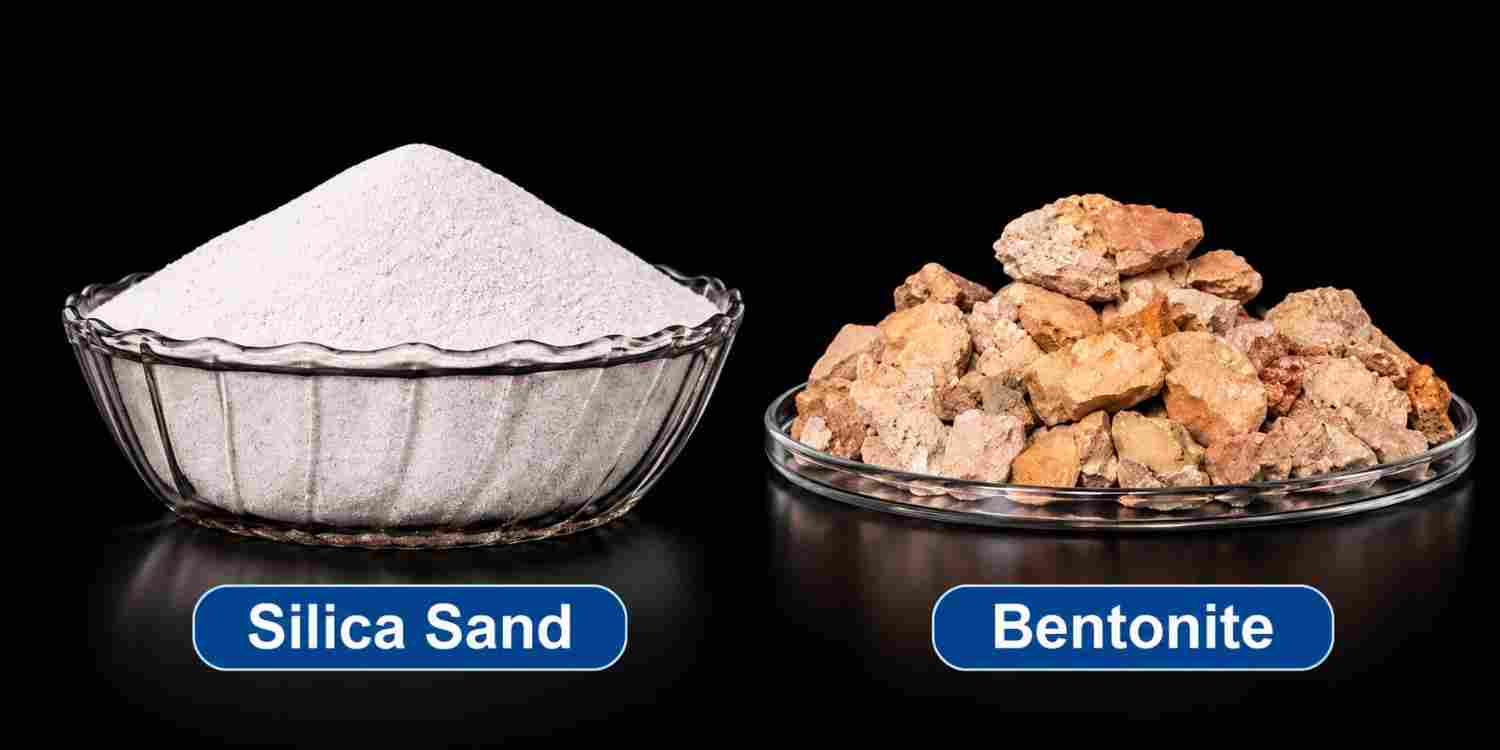
Most buyers of industrial minerals have a drawer, or a folder on a shared drive, full of test certificates. They arrive with every shipment, get glanced at, and are filed away. When a batch behaves badly, someone digs one out and discovers that nobody is quite sure what half of the numbers mean.
This is a fair complaint, not a personal failing. Certificates of analysis are written in the language of laboratories, and the same mineral can be described in several different ways depending on the standard used. A buyer does not need a chemistry degree to read one well. A handful of figures carry most of the useful information, and a few simple habits turn a pile of paperwork into a real quality record.
Start With the Header, Not the Numbers
Before looking at a single result, check the identifying details. A useful certificate names the product, the lot or batch number, the sampling date, the testing date, and the laboratory. It should say which method or standard each test followed, since results from different methods are not always comparable.
The most important line is the lot number. A certificate that cannot be tied to the specific material you received tells you almost nothing about it. If the lot number is missing, or does not match the one printed on your delivery slip or bags, ask before you accept the load.
Three Kinds of Documents That Look Alike
Suppliers often provide three different documents under similar names. A product data sheet describes the material in general terms. A typical analysis shows average values over many lots. A certificate of analysis reports actual results for a particular lot. Only the last one shows what you were actually sold, and it is worth asking for specifically.
Reading a Sand Certificate
Sieve Analysis
This table lists what percentage of the sample was retained on each sieve size. It describes the grain size distribution, which controls how the sand packs, flows, melts, or filters. Look at how concentrated the distribution is. A big share of material on two or three adjacent sieves points to a narrow, well-controlled grade. Spread across many sieves means a wider, less predictable one. Pay particular attention to the pan, the finest fraction, since excess fines cause trouble in nearly every application.
Some certificates also quote a mean grain size or a grain fineness number. These single values are handy for comparing lots at a glance, but they hide the shape of the distribution, so two sands with the same average can behave differently.
Chemical Composition
The main figure is silica content, usually shown as SiO2. Next come the impurities: iron oxide, alumina, titanium dioxide, calcium oxide, and so on. Which ones matter depends on the application. For glass, iron is the headline, since even small amounts affect colour. For foundry and filtration work, the soluble and reactive impurities matter more. A figure called loss on ignition indicates how much material burns off when heated, which hints at organic matter or bound water.
Other Common Entries
Moisture tells you how much water you are paying to transport. Acid solubility shows how much of the sample dissolves in a standard acid test and indicates the presence of carbonates and similar soluble minerals. Turbidity or clay and silt content measures how much dust and fine material will cloud water or interfere with bonding. Roundness and sphericity may appear for specialist grades.
Buyers who source from silica sand india producers can use these same entries to compare lots over time. The first certificate sets a baseline, and every later certificate should sit close to it for the properties that matter to the application.
Reading a Bentonite Certificate
Bentonite certificates tend to be shorter, but the figures are just as meaningful.
Swell Index
This number shows how much a small, fixed amount of clay expands in water over a set time. A higher swell generally means higher sodium content and stronger sealing or binding power. It is one of the simplest ways to compare lots, and a sudden drop deserves a phone call.
Moisture and Particle Size
Moisture matters for both cost and handling. Clay that has absorbed too much water clumps and mixes poorly. Particle size, often reported as the percentage retained on a standard sieve, tells you how easily the powder will disperse. Coarse particles are slower to hydrate and may leave lumps in the mix.
Application-Specific Figures
Drilling grades are tested for viscosity readings, yield, and fluid loss against published industry standards. Foundry grades are tested for properties like green compression strength and hot strength in a standard sand mix. Sealing and liner grades may report permeability or free swell. Some certificates include methylene blue values or cation exchange capacity, which relate to the proportion of active clay minerals in the sample.
Companies that approach bentonite manufacturers should say which application they have in mind, because the right test list depends on the use. A certificate full of figures that do not relate to your process looks thorough, but it will not tell you whether the clay will work.
Red Flags Worth Noticing
A few patterns suggest a certificate deserves a closer look.
Identical results lot after lot, to many decimal places, are suspicious. Natural materials vary, and real data wobble a little. Results that are always exactly the same may have been copied rather than measured.
Missing methods or laboratory details make results impossible to verify. A certificate printed on the supplier's own letterhead is not a problem in itself, but it should say who did the testing and how.
Values that sit right at a specification limit every time suggest a supplier is aiming at the edge instead of the middle. Occasional lots near the limit are normal. A pattern of them leaves you with no margin.
Certificates that arrive weeks after the material, or not at all unless chased, signal weak quality systems.
Turning Paperwork Into a Quality Record
The real power of certificates comes from comparing them. Enter the key figures into a spreadsheet as they arrive, covering date, lot number, and the three or four properties that matter most for your process. After a few months you can plot trends and see whether the supplier is stable or drifting.
Check the certificate against your own spot checks now and then. A simple moisture test or sieve check on site takes little time and shows whether the paper and the material agree. If they do not, send a retained sample to an independent laboratory and share the result with the supplier. Most reputable suppliers welcome this kind of feedback, because it helps them find problems before other customers do.
Giving Useful Feedback to a Supplier
Feedback is a two-way street. When a lot performs well, say so, and keep the certificate as a benchmark. When it performs badly, give specifics: the lot number, what went wrong, what you measured, and what you expected. Vague complaints are hard to act on. Numbers and dates are not.
Over time, buyers who keep clear records and give clear feedback tend to get better service. Suppliers learn what the customer actually cares about, and the certificates start to reflect the properties that matter. That, in the end, is the point of testing: not the paperwork, but the confidence that the next delivery will behave like the last.