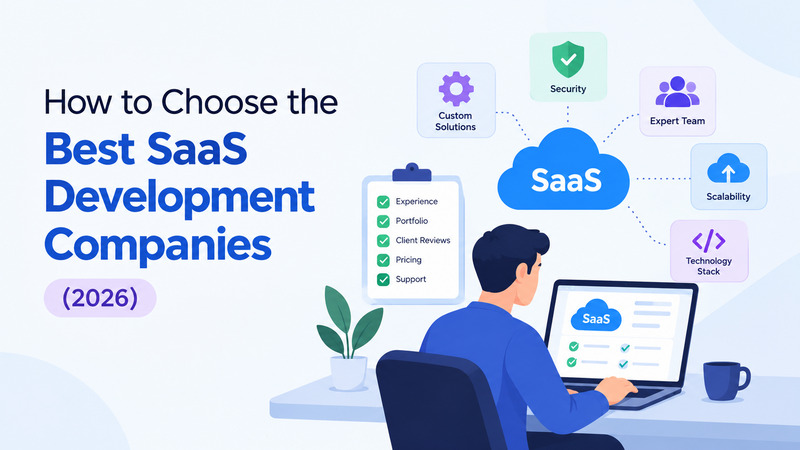
Picking a development partner for a SaaS product is a bit like choosing a co-founder you pay by the hour. The code they write will shape your costs, your speed, and your customers’ trust for years. Yet many teams choose based on a slick proposal and a low quote, then spend months fixing the fallout.
This guide walks through how to evaluate the best SaaS development companies for your situation, what to ask, and which warning signs to take seriously. It is written for founders, product owners, and non-technical buyers who want a clear process.
Start With Your Own Needs, Not Their Pitch
Before you contact anyone, write down what you are building and why. Keep it simple: who the users are, the three features the first version must have, and what success looks like in six months. Add your budget range and your ideal launch window.
This one page does two things. It stops vendors from selling you whatever they happen to build best, and it makes quotes comparable. When every company responds to the same brief, differences in price and approach become much easier to spot.
Look for Real SaaS Experience
Building a SaaS product is different from building a one-off website or internal tool. Subscriptions, user roles, billing, onboarding, and usage tracking all need to work together from day one.
Ask each company for live SaaS products they have helped build, not just screenshots. Find out what their role was. Did they build the product from scratch, or only maintain part of it? A team that has already handled recurring billing and account management will make fewer expensive mistakes on yours.
Check How They Think About Architecture
You do not need to be an engineer to judge this part. Ask a few plain questions and listen to how they answer.
- How will the product serve many customers at once (multi-tenancy)?
- What happens when usage grows ten times?
- How will it connect to tools like CRMs, payment providers, or analytics?
Good teams explain trade-offs in simple language, such as why they would start with a simpler setup and scale later. If the answers are vague or buried in jargon, that usually points to thin experience.
Ask About Security and Compliance
SaaS products store other people’s data, so security is part of the product, not an add-on. Ask how the company handles access control, data encryption, backups, and code reviews. If your customers are in healthcare, finance, or Europe, ask about rules such as HIPAA or GDPR and whether the team has delivered under them before.
Also ask who owns the code and the cloud accounts when the project ends. You should own both.
Understand the Pricing Model
The cheapest quote rarely stays the cheapest. Know the three common models:
- Fixed price: works when requirements are clear and unlikely to change.
- Time and materials: you pay for hours worked, which suits evolving products but needs close tracking.
- Dedicated team: a group works only on your product for a monthly fee, which suits long-term roadmaps.
Whichever you choose, ask what is included. Discovery, design, testing, deployment, and post-launch support are sometimes left out of low quotes, then billed later as extras.
Test Communication Before You Sign
How a company behaves during the sales process is a preview of the project. Do they answer questions clearly and on time? Do they push back when something in your plan looks risky, or simply agree with everything? Ask who your day-to-day contact will be, how often you will get updates, and which tools they use to track progress. Overlapping working hours matter more than most buyers expect, especially in the first few months.
Check Reviews and Speak to Past Clients
Star ratings on review platforms are a starting point, not a verdict. Read the detailed reviews and look for patterns such as missed deadlines, surprise invoices, or staff turnover.
Then ask the company for two or three references and actually call them. Good questions include: Did the project finish on time? How did the team handle problems? Would you hire them again? A confident company will connect you without hesitation.
Red Flags That Should Slow You Down
- A fixed price and delivery date promised before they understand your product
- Reluctance to share past work or client references
- No clear answer on code ownership
- Pressure to skip discovery or testing to save money
- Urgency to sign quickly because of a “limited-time” discount
Any one of these is worth a direct conversation. Several together mean you should keep looking.
A Simple Way to Compare Your Shortlist
Pick three companies and score each from one to five on SaaS experience, technical approach, security, pricing clarity, communication, and references. Give extra weight to the categories that matter most to you. When you compare the best SaaS development companies on your list this way, the right choice is often clearer than you expect.
A short paid discovery phase or a small pilot project is also a smart way to test a team before committing to a full build.
Frequently Asked Questions
1. How many SaaS development companies should I shortlist?
Ans. Three is usually enough. Fewer limits your comparison, and more makes the process slow without adding much insight.
2. How long does it take to build a SaaS MVP?
Ans. Many MVPs take roughly three to six months, but scope matters more than any average. Ask for a written timeline tied to specific features.
3. Should I choose a local company or work remotely?
Ans. Either can work well. Time zone overlap and communication habits matter more than location.
Final Thoughts
The best SaaS development companies are not always the biggest or the cheapest. They are the ones that understand your product, explain their choices plainly, protect your data, and stay honest when plans change. Take your time with the shortlist, speak to real clients, and start with a small paid engagement if you can. A careful choice now saves months of rework later.