Best of home improvement
Showing 65 - 80 of 339 Results
United Arab Emirates

10 Wallpaper Trends in Dubai Homes You Will L...
06 Oct 2026
Walls used to be a plain background in most homes. Today, they are a design feature. If you are looking for wallpaper Dubai homeowners actually enjoy living with,...
Australia

Retaining Walls in Perth: How to Choose the R...
06 Oct 2026
Retaining walls are an important part of many residential and commercial properties across Perth. They help manage sloping land, reduce soil movement and create more usable space around...
United States
Building in the Hollywood Hills: What Every E...
05 Oct 2026
Few places in Los Angeles carry the allure of the Hollywood Hills. Sweeping canyon views, winding streets, mature landscaping, and a skyline that glitters after dark make it...
India

7 Things to Consider Before You Buy Cervical...
05 Oct 2026
Choosing the right pillow can make a noticeable difference to everyday sleeping comfort. A cervical pillow is designed to provide supportive positioning for the head and neck while...
United States

How Wall Cabinet Design Can Improve Kitchen S...
05 Oct 2026
Kitchen storage has become an important part of modern home design. As kitchens take on more responsibilities, homeowners need practical ways to keep cookware, dishes, appliances, and everyday...
United States

Handyman Repair Services: 10 Signs It’s Time...
03 Oct 2026
Most of us like to believe we can fix things around the house. A wobbly shelf, a dripping tap, a squeaky door hinge — these feel like weekend...
United States

Which Is the Best Type of Fence in Walnut Gro...
02 Oct 2026
Choosing aluminum fencing in Walnut Grove, WA can be a practical option for homeowners looking for a fence that combines durability, appearance, and relatively low maintenance. Aluminum fencing is...
United States

Winter Storm Preparedness: A Practical Checkl...
02 Oct 2026
Winter storms rarely arrive without warning, yet every year they catch millions of people unprepared. Ice brings down power lines, heavy snow closes roads for days, and extreme cold turns a routine outage into a genuine emergency. The families who weather these events best are the ones who prepared in the fall, before the first forecast.This checklist covers the core areas of winter readiness. Work through it over a few weekends and you will be ready well before the first serious storm.Plan for Losing Power and HeatBackup Heat SourcesIf your home heats with electricity or a furnace that needs electricity to run, a multi-day outage means no heat. Consider a safe backup such as a wood stove, a properly vented gas fireplace, or an indoor-rated propane heater designed for emergency use. Have chimneys and stoves inspected before the heating season.Carbon Monoxide SafetyWinter outages are when carbon monoxide poisoning spikes. Never run a generator, grill, camp stove, or charcoal inside your home, garage, or near an open window. Health authorities recommend keeping generators at least 20 feet from the house, and every home should have working battery-powered carbon monoxide detectors.Pick a Warm RoomIf you lose heat, close off unused rooms and gather the family in one interior room with few windows. Hang blankets over doorways, cover windows with heavy curtains, and put rugs down on cold floors. Body heat from several people makes a noticeable difference in a small space.Protect Your PipesFrozen pipes can burst and cause thousands of dollars in water damage. Insulate exposed pipes in crawl spaces, basements, and exterior walls using foam sleeves. Disconnect garden hoses and shut off outdoor spigots.During extreme cold, let faucets on exterior walls drip slightly and open cabinet doors under sinks to let warm air reach the plumbing. Know where your main water shutoff valve is so you can stop the flow quickly if a pipe does burst.Food and Water SuppliesStock at least a two-week supply of food that requires little or no cooking. Canned soups, peanut butter, crackers, oatmeal, dried fruit, and nuts are all good options. Keep a manual can opener with your supplies.Store at least one gallon of water per person per day, plus extra for pets. If you rely on a well with an electric pump, you will lose water when you lose power, so fill containers and bathtubs before a storm hits. A way to heat food safely, such as a wood stove or an outdoor grill used well away from the house, is a major morale boost.Lighting, Power, and CommunicationFlashlights and headlamps are safer than candles and should be your primary light source. Stock plenty of batteries and store them where you can find them in the dark. Rechargeable lanterns and power banks keep phones and small devices running.A battery or hand-crank weather radio lets you follow emergency updates when cell towers are overloaded or down. Write important phone numbers on paper in case your phone dies.Clothing and FootwearDressing properly is your first line of defense against the cold. Every family member should have a warm hat, insulated gloves or mittens, a scarf or neck gaiter, wool socks, and a waterproof outer jacket. Layers work better than one heavy coat because you can adjust as your activity level changes.Footwear is often overlooked until someone has to shovel snow, check on a neighbor, or walk out for help. Insulated boots with good traction are essential, and they need to keep slush and snowmelt out. Now is the time to learn how to waterproof boots properly, because salt, slush, and repeated wetting will break down untreated leather and leave your feet soaked and cold.Keep an extra pair of dry socks and gloves near the door. Wet clothing loses much of its insulating value and speeds up heat loss dramatically.Winterize Your VehicleMany winter deaths happen in vehicles, either in crashes or when drivers become stranded. Before the season, check your battery, antifreeze, tires, wipers, and heater. Keep your gas tank at least half full to prevent fuel line freeze-up and to give you a reserve if you get stuck.Build a vehicle winter kit and keep it in the trunk all season. It should include the following items.• Blankets or a sleeping bag for every regular passenger• Extra hat, gloves, socks, and a pair of winter boots• Ice scraper, snow brush, and a small folding shovel• Sand or kitty litter for traction under the tires• Jumper cables, flashlight, and spare batteries• Water, high-calorie snacks, and a basic first aid kit• A brightly colored cloth to signal for helpIf you are stranded, stay with your vehicle unless help is clearly visible nearby. Run the engine for short periods to stay warm, and keep the exhaust pipe clear of snow to prevent carbon monoxide from entering the cabin.Build a Family Communication PlanStorms often hit when family members are scattered at work, school, or on the road. Agree ahead of time on how you will contact each other, where you will meet if phones are down, and who will pick up children or check on older relatives. Choose an out-of-area contact person that everyone can call or text, since long-distance calls sometimes go through when local lines are jammed.Write the plan down and keep a copy in every vehicle, backpack, and emergency kit. Review it with children so they know exactly what to do if they cannot reach you.Do Not Forget Your PetsPets depend entirely on you during a storm. Keep extra food, water, medications, and bedding for them in your supplies. Bring outdoor animals inside or into a protected, heated space when temperatures drop sharply.Wipe your pets' paws after walks, because road salt and ice melt can irritate their pads and be harmful if licked. Short walks are safer than long ones in extreme cold, especially for small or older animals.Medical Needs and Vulnerable Family MembersRefill prescriptions before a storm, and keep at least a week's supply on hand when possible. If anyone in your home relies on powered medical equipment, talk to your provider and your utility company about backup options.Check on elderly neighbors and relatives before and after storms. Older adults and young children lose body heat more quickly and may not recognize the early signs of hypothermia, such as shivering, confusion, slurred speech, and drowsiness.Home Exterior and RoofClean gutters so melting snow can drain, which helps prevent ice dams. Trim dead or overhanging branches that could fall on your roof or power lines under the weight of ice. Have a sturdy snow shovel and a supply of ice melt ready before the first storm.Shoveling heavy snow is strenuous work. Take frequent breaks, push rather than lift where possible, and stop immediately if you feel chest pain or unusual shortness of breath.Final ThoughtsWinter storms test every system in your home, from the furnace to the pantry to the boots by the back door. Preparing in the fall costs very little compared with the stress and danger of scrambling once the power is out and the roads are closed. Work through this list, fix the weak spots, and you will greet the first big storm with confidence.
United States

Electric Power Washer Extension Cord Planning...
02 Oct 2026
An electric power washer can make routine exterior cleaning considerably easier, but the machine itself is only one part of the setup. The electrical connection matters just as...
Canada

Best Appliance Repair Kitchener Ontario: A Si...
02 Oct 2026
Think about your home for a moment. Right now, a fridge is humming, a stove is waiting for dinner, and a washer is ready for tomorrow's laundry. These...
United States

Homemade Holiday Gifts From the Homestead: Pr...
01 Oct 2026
Every year, holiday shopping seems to get more expensive and less personal. Homemade gifts offer a refreshing alternative. They cost less, carry more meaning, and often turn out to be the gifts people actually use and remember.Homesteaders have a particular advantage here. The garden, the pantry, the chicken coop, and the workshop are all full of possibilities. Here are practical homemade gift ideas, along with tips for planning ahead so the season stays joyful instead of rushed.Start Planning EarlyThe best homemade gifts often take weeks to prepare. Soap needs time to cure, herbs need time to dry, and some preserves taste better after resting. Starting in early fall gives you time to make gifts without stress.Make a list of everyone you want to give to, then match gifts to the people on it. A friend who loves to cook may treasure a jar of herb salt, while a gardener might prefer seeds saved from your best tomatoes.Gifts From the PantryJams, Jellies, and PreservesHomemade jam is a classic for good reason. Summer strawberry, blackberry, or peach jam brings a taste of warm weather in the middle of winter. Use tested recipes and proper water bath canning methods so your gifts are safe as well as delicious.Pickles and RelishesPickled beets, dilly beans, and spicy relishes make excellent gifts for people who love bold flavors. Pair a jar of relish with homemade crackers or a small wheel of cheese for a simple gift basket.Herb Salts and Spice BlendsHerb salt is quick to make and looks beautiful in small jars. Blend coarse salt with finely chopped fresh or dried herbs such as rosemary, thyme, and sage, then let it dry completely before packaging. Spice rubs for meat and seasoning blends for soups are also popular.A Note on Infused OilsGarlic and fresh herb infused oils are tempting to give, but they carry a real risk of botulism if stored at room temperature. Unless you follow strict safety guidance, it is safer to give dried herb blends or vinegars instead.Baked GoodsFresh bread, cookies, and quick breads are always welcome. For gifts that last longer, consider biscotti, shortbread, or fruitcake, all of which keep well for days or weeks.Package baked goods in tins or wrapped in parchment and twine. Include a small card with the recipe so the recipient can make it again.Handmade SoapFew gifts feel more homemade than a bar of soap you made yourself. Handmade soap is useful, personal, and easy to customize with scents like lavender, peppermint, or orange. It also pairs well with a hand-knit washcloth for a simple but thoughtful gift.Timing matters with soap, since cold process bars need roughly four to six weeks to cure. If you want to give soap this season, learn how to make homemade soap and start early in the fall so your bars are fully cured and gentle on the skin by the time you wrap them.Wrap bars in brown paper, fabric, or a strip of patterned paper, and label each one with its ingredients. People with sensitive skin or allergies will appreciate knowing exactly what is in their soap.Candles and Home GoodsBeeswax CandlesIf you keep bees or know a local beekeeper, beeswax candles make a warm, natural gift. Beeswax burns cleanly and has a subtle honey scent. Pour it into small tins or jars, or try hand-dipping taper candles for a traditional look.Fire StartersFire starters are practical gifts for anyone with a wood stove, fireplace, or love of camping. Fill cardboard egg cartons with dryer lint or wood shavings and pour melted wax over them. Once they set, break them apart and bundle them in a paper bag.Beeswax Food WrapsBeeswax wraps are a reusable alternative to plastic wrap. Cotton fabric coated with beeswax and a little oil molds around bowls and food. They are easy to make and appreciated by anyone trying to reduce waste.Gifts From the GardenSaved SeedsSeeds saved from your best plants make meaningful gifts for gardening friends. Package them in small paper envelopes with the variety name, harvest year, and growing notes. Heirloom tomatoes, beans, and flowers are especially popular.Dried Herbs and Tea BlendsDried herbs from your garden can become simple tea blends. Chamomile, mint, and lemon balm make a soothing combination. Package the tea in small tins or glass jars and include brewing instructions.Wreaths and Dried FlowersWreaths made from grapevine, evergreen boughs, dried flowers, and seed heads add natural beauty to any door. They are also a fun project for the whole family.Gifts From the Chicken CoopIf you keep chickens, you already have a steady supply of gift ingredients. Fresh eggs in a decorated carton make a simple gift for neighbors, and they can also go into homemade egg noodles, lemon curd, or custards. Dried egg noodles packaged in cellophane bags with a ribbon look lovely and keep well.Pickled eggs are another traditional option, though they should be refrigerated and eaten within the recommended time for safety. Include storage instructions on the label so the recipient knows how to handle them.Involve the Whole FamilyHomemade gifts are a wonderful way to involve children and other family members. Kids can decorate labels, stamp wrapping paper, tie ribbons, and help pack gift baskets. Older children can help with baking, candle pouring, and seed packaging under supervision.Working together turns gift making into a holiday tradition. Many families find these afternoons become some of their favorite memories of the season.Handcrafted ItemsKnitted hats, scarves, and dishcloths are always welcome during the cold months. Woodworkers can make cutting boards, spoons, or small shelves. Even simple projects, such as hand-sewn cloth napkins, carry more meaning than something from a store.If you have leather scraps, consider making simple key fobs, coasters, or knife sheaths. These small projects use up leftovers and turn them into lasting gifts.Packaging and PresentationPresentation turns a simple jar or bar into a special gift. Use brown paper, twine, fabric scraps, and handwritten labels for a rustic look. Reuse glass jars, cookie tins, and baskets you already have on hand.Always include labels that list ingredients, instructions, and dates for food items. This is especially important for anything homemade that people might eat or put on their skin.Budgeting Your Homemade GiftsHomemade gifts can save money, but costs add up if you buy lots of specialty supplies. Focus on projects that use what you already have, such as garden produce, eggs, rendered fat, or wool. Buying supplies in bulk, like canning jars or soap oils, lowers the cost per gift.Keep track of what you spend and how long each project takes. This helps you plan better next year and shows which gifts give you the most value for your time.Final ThoughtsHomemade holiday gifts connect the people you care about with the work of your hands and the bounty of your homestead. Whether it is a jar of jam, a bar of soap, or a bundle of fire starters, each gift tells a story.Start early, keep it simple, and enjoy the process. The best part of giving homemade gifts is knowing that every one of them was made with care
Singapore
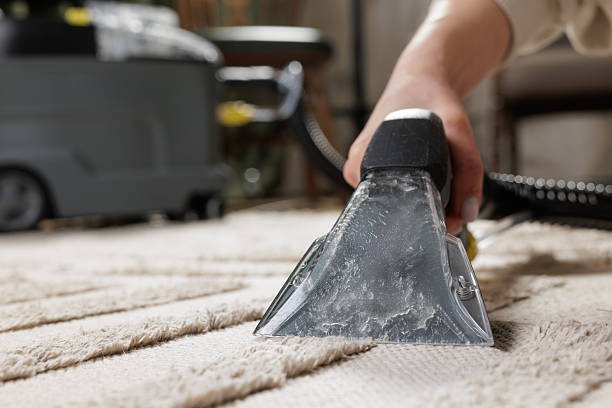
How Professional Carpet Shampooing Works: Fro...
01 Oct 2026
Professional carpet shampooing is a multi-step cleaning process that uses specialised shampoo solutions, agitation equipment, and hot water extraction to break down and remove embedded dirt, allergens, and...
United States
Built-Up Roofing vs. Single-Ply Roofing: Whic...
01 Oct 2026
Choosing the right commercial roofing system is an important decision for any business owner. A roof needs to protect the building, handle changing weather, and provide dependable performance...
United Arab Emirates
How Do I Choose a Reliable Office Renovation...
01 Oct 2026
The right office renovation company should do more than complete construction work. It should help with planning, design, approvals, material selection, project management, execution, and final handover.Before signing a...
Pakistan

Smart Uses of Thermocol Sheet for Modern Cons...
01 Oct 2026
Understanding Thermocol SheetConstruction materials play an important role in improving comfort and efficiency inside buildings. Lightweight insulation products can help reduce heat transfer and support better indoor conditions....
United States

Protect Your Budget: Avoiding Surprise Costs...
30 Sep 2026
A good addition budget rarely fails because of the big line items. It usually fails because of the small ones nobody planned for. In 2026, more DC homeowners...