Global Aerospace Parts Manufacturing Industry: Lightweight Materials, Automation, and Supply Chain Innovation
By kyle 27-10-2026 13
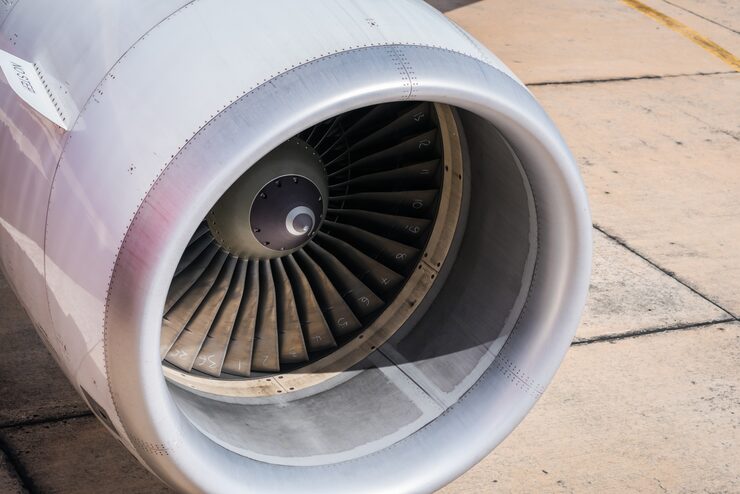
Aerospace parts manufacturing is a critical part of the global aviation and space industries, supplying components required for aircraft production, fleet maintenance, defense platforms, and space exploration. Manufacturers are increasingly focusing on precision engineering, lightweight materials, automation, and advanced production methods to meet evolving performance and quality requirements. Rising aircraft production and fleet modernization are also strengthening demand for reliable components across the aerospace supply chain.
The Global Aerospace Parts Manufacturing Market was valued at USD 0.99 trillion in 2025 and is projected to reach USD 1.41 trillion by 2032, growing at a CAGR of 5.16% during 2026–2032, according to Markntel Advisor aerospace parts manufacturing market research. North America holds the leading regional position, while aerostructures represent the largest product segment and commercial aircraft remain the dominant end-user category.
Aircraft Production and Fleet Modernization Drive Demand
Increasing aircraft production and the replacement of aging fleets are major factors supporting demand for aerospace components. Aircraft manufacturers require a broad range of precision-engineered parts, including structural assemblies, engine components, avionics, cabin interiors, insulation systems, and other specialized equipment.
Airlines are also investing in newer aircraft designed to improve fuel efficiency and operational performance. These developments increase the need for lightweight structures, advanced propulsion components, and sophisticated electronic systems. In parallel, defense modernization programs are creating demand for components used in fighter aircraft, military transport platforms, helicopters, and other specialized aerospace systems.
Aerostructures Lead the Product Segment
Aerostructures represent the leading product category in the market. This segment includes major aircraft structural elements such as fuselages, wings, and empennage assemblies. These components require high manufacturing precision, structural integrity, and consistent material quality because they contribute directly to aircraft performance and safety.
Manufacturers are increasingly using advanced composites, titanium, and high-performance aluminum alloys to balance strength and weight. These materials can support aircraft efficiency while meeting demanding structural requirements. Production also relies on precision machining, automated assembly, inspection technologies, and rigorous quality-control processes to ensure that components conform to approved designs.
Advanced Manufacturing Technologies Transform Production
Automation, robotics, additive manufacturing, and digital engineering are changing how aerospace parts are produced. These technologies can improve repeatability, support complex component geometries, and reduce material waste in selected applications.
Additive manufacturing is particularly relevant for parts that are difficult to produce using conventional machining or tooling-intensive processes. However, aviation applications require careful qualification and quality assurance. The Federal Aviation Administration's guidance on additive manufacturing for aircraft engine parts explains how manufacturers can demonstrate compliance for components produced using powder-bed fusion processes. This reflects the importance of validating material properties, manufacturing controls, and inspection procedures before parts enter service.
Commercial Aircraft Remain the Largest End User
Commercial aircraft represent the largest end-user category in the aerospace parts manufacturing market. Demand is supported by aircraft deliveries, airline fleet expansion, replacement cycles, and the need to maintain aircraft throughout their operating lives.
Commercial aircraft production requires coordinated supply chains spanning engines, aerostructures, avionics, landing systems, interiors, and numerous smaller components. Manufacturers must synchronize production schedules and maintain consistent component quality to meet aircraft assembly and delivery requirements.
The aftermarket also creates recurring demand for replacement parts, repairs, and maintenance-related components. As aircraft remain in service for extended periods, suppliers can serve both original equipment manufacturers and maintenance, repair, and overhaul providers.
Lightweight Materials and Sustainability Gain Importance
Reducing aircraft weight remains an important manufacturing priority because structural weight influences fuel consumption, payload capacity, and operating economics. Manufacturers are therefore investing in advanced composites, titanium alloys, and aluminum-lithium materials for selected structural applications.
Sustainability considerations are also influencing production practices. Improved material utilization, energy-efficient manufacturing, component repair, and waste reduction can contribute to more resource-efficient operations. However, material selection must continue to meet stringent requirements for durability, fatigue resistance, temperature performance, and safety.
Supply Chain Diversification Strengthens Resilience
Aerospace parts manufacturing relies on a complex international network of material suppliers, component producers, system integrators, and aircraft manufacturers. Disruptions affecting raw materials, logistics, or specialized production capacity can delay deliveries across the industry.
As a result, manufacturers are increasingly exploring regional sourcing, supplier diversification, and additional production capacity. These approaches can reduce reliance on individual suppliers and improve responsiveness to changing demand. However, qualifying new suppliers requires technical audits, production validation, and compliance with applicable aerospace quality standards.
North America Maintains Market Leadership
North America holds the largest regional share, supported by established aircraft manufacturers, engine producers, defense contractors, research institutions, and advanced manufacturing infrastructure. The United States is a major contributor through commercial aviation, military aircraft production, space programs, and aftermarket services.
The region's industrial ecosystem supports investment in precision machining, advanced materials, automation, digital manufacturing, and component testing. At the same time, aerospace manufacturers across Europe and Asia-Pacific continue to develop production capabilities and strengthen their positions within international supply chains.
High Costs and Material Constraints Remain Challenges
Aerospace components must satisfy demanding standards for safety, reliability, traceability, and performance. Maintaining these requirements can increase production costs, particularly for complex parts manufactured from specialized alloys or composite materials.
Supply constraints affecting materials such as aerospace-grade titanium can also create procurement uncertainty and longer lead times. Manufacturers must balance production efficiency with rigorous inspection, documentation, supplier qualification, and regulatory compliance.
Market Outlook
The global aerospace parts manufacturing market is expected to expand as aircraft production, fleet modernization, defense procurement, and space-related activity support demand for precision-engineered components. Aerostructures and commercial aircraft are likely to remain central market segments, while automation, additive manufacturing, lightweight materials, and supply chain diversification continue to influence production strategies.
With the market projected to reach USD 1.41 trillion by 2032, long-term development will depend on manufacturers' ability to increase production capacity, maintain consistent quality, manage material availability, and adopt advanced manufacturing technologies within established aerospace safety requirements.
Tags : Aerospace Parts