Best Practices for Maintaining Magnetic Separators in Food Processing Facilities
By Shaikh Abdulla 05-11-2026 4
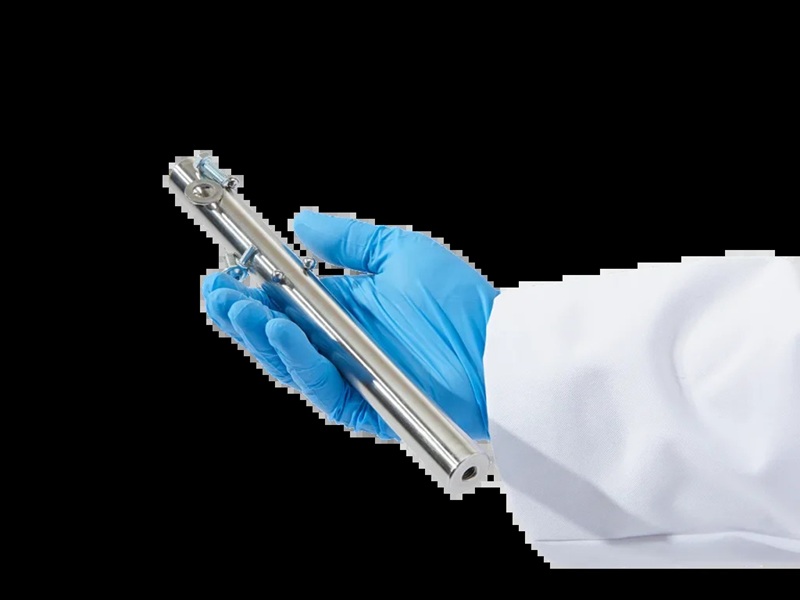
Magnetic separators play an essential role in protecting food quality, maintaining production efficiency, and preventing unwanted metal contamination. Implementing effective maintenance procedures for Magnetic separators for food processing helps food manufacturers maintain reliable separation performance while supporting food safety requirements. From dairy and bakery operations to grain handling, spices, confectionery, and packaged food production, magnetic separation equipment requires regular inspection and proper care. Without a structured maintenance routine, accumulated metal particles, damaged components, or reduced magnetic performance can compromise the effectiveness of contamination control systems.
Why Regular Maintenance Matters for Magnetic Separators in Food Processing
Magnetic separators are designed to capture ferrous metal contaminants from raw materials, ingredients, and products during manufacturing. However, their effectiveness depends on correct installation, operating conditions, and consistent maintenance.
During everyday production, captured metal particles can accumulate on magnetic surfaces. If operators overlook cleaning, these particles may interfere with separation efficiency and create opportunities for contamination during handling. Similarly, damaged seals, corrosion, or improperly secured components can affect equipment reliability.
For food processing facilities in the UAE, where manufacturers often operate demanding production schedules, preventive maintenance is particularly important. A well-maintained magnetic separation system supports uninterrupted operations, reduces unexpected downtime, and helps maintain consistent product quality.
1. Establish a Consistent Cleaning Schedule
Cleaning is one of the most important aspects of magnetic separator maintenance. Ferrous contaminants gradually collect on magnetic rods, grids, plates, and other separation surfaces. If these particles remain attached for extended periods, they can reduce the available collection surface and potentially interfere with efficient separation.
Food processing operators should establish cleaning intervals based on production volume, ingredient characteristics, contamination risk, and equipment design.
For example, facilities processing spices, flour, grains, and powdered ingredients may require more frequent inspections because these materials can carry fine metallic particles and dust.
Best cleaning practices include:
Follow the manufacturer's recommended cleaning procedure.
Remove accumulated metal particles using the approved cleaning method.
Use suitable cleaning materials that will not damage magnetic surfaces.
Inspect cleaned components for corrosion, scratches, or physical damage.
Ensure all components are completely dry before reassembly, where required.
Verify that the separator is correctly installed before restarting production.
For self-cleaning magnetic separators, inspect the cleaning mechanism and discharge arrangements to ensure that captured contaminants are removed effectively.
2. Inspect Magnetic Strength and Separation Performance
A magnetic separator can appear physically sound while experiencing performance-related problems. Therefore, visual inspections alone are not sufficient to evaluate its operating condition.
Routine performance checks help identify changes that could affect contaminant capture. Depending on the separator design, facilities may use an appropriate calibrated gaussmeter or other manufacturer-recommended testing equipment to assess magnetic field strength.
Operators should pay particular attention to:
Changes in magnetic field strength.
Damaged or deteriorating magnetic components.
Unusual operating conditions.
Changes in product flow or material distribution.
Evidence of reduced contaminant collection.
It is important to remember that magnetic field strength readings alone do not establish complete separation effectiveness. Working distance, product characteristics, flow conditions, and separator configuration also influence performance.
Maintain documented inspection results and compare them against manufacturer specifications and established baseline measurements.
3. Check for Corrosion, Wear, and Physical Damage
Food processing environments expose equipment to moisture, cleaning chemicals, temperature variations, and continuous mechanical activity. Over time, these conditions may affect separator housings, welds, protective coatings, seals, and other structural components.
Stainless steel construction is commonly preferred in hygienic processing environments, but stainless steel equipment still requires proper inspection and care.
During scheduled maintenance, examine:
Magnetic rod and housing surfaces.
Welded joints and connecting points.
Product-contact surfaces.
Gaskets and sealing arrangements.
Fasteners, brackets, and mounting assemblies.
Discharge mechanisms and moving components.
Any visible corrosion, cracks, damaged seals, or loose fittings should be investigated promptly. Components that cannot be restored to their required hygienic or mechanical condition should be repaired or replaced according to the manufacturer's recommendations.
4. Follow Proper Installation and Operating Procedures
Maintenance begins before the equipment enters routine operation. Incorrect installation can reduce magnetic separation efficiency and increase unnecessary stress on equipment components.
Magnetic separators should be installed in suitable locations where product flow, equipment accessibility, and cleaning requirements are properly considered.
For example, magnetic grids used in gravity-fed applications should be positioned to provide appropriate material contact with the magnetic surfaces. Pipeline magnetic separators should be installed according to their specified flow direction, pressure limitations, and connection requirements.
Operators should also avoid exceeding the equipment's rated operating conditions.
Changes in production speed, product characteristics, material temperature, or flow rate should be evaluated to determine whether the existing magnetic separator remains suitable for the application.
5. Maintain Hygiene and Prevent Cross-Contamination
Hygiene is especially important when magnetic separators are installed in direct-contact food processing applications.
Cleaning procedures should align with the facility's sanitation programme and the equipment manufacturer's recommendations. Using unsuitable chemicals or abrasive cleaning tools may damage surfaces, seals, and protective finishes.
Facilities should consider the following practices:
Use approved food-processing cleaning agents.
Follow established sanitation procedures.
Prevent cleaning residues from entering the product stream.
Inspect product-contact surfaces after cleaning.
Maintain hygienic storage conditions for removable components.
Verify correct reassembly before production resumes.
Where applicable, maintenance and sanitation activities should be coordinated with the facility's food safety management system.
6. Maintain Detailed Inspection and Maintenance Records
A structured maintenance record helps food manufacturers understand equipment performance and identify recurring problems before they become serious operational issues.
Each inspection should include the equipment identification, inspection date, cleaning activities, observed condition, magnetic performance measurements where applicable, corrective actions, and the responsible personnel.
These records are valuable during internal audits, food safety assessments, equipment evaluations, and maintenance planning.
They also help managers determine whether cleaning frequencies need adjustment or whether particular components require replacement.
7. Train Operators to Recognise Early Warning Signs
Even advanced magnetic separation equipment depends on correct handling by trained personnel. Operators should understand how their equipment works, which components require routine attention, and when maintenance intervention is necessary.
Training should cover safe cleaning procedures, contamination removal, inspection requirements, correct reassembly, and the importance of reporting unusual equipment conditions.
Employees should also understand that magnets can attract metal objects unexpectedly and that appropriate precautions are necessary when handling magnetic assemblies.
A knowledgeable operating team can identify minor issues early, helping reduce equipment downtime and avoid preventable maintenance costs.
8. Work with Experienced Magnetic Separator Suppliers
Choosing suitable equipment and obtaining reliable technical support are important parts of long-term maintenance planning.
Food processing facilities should work with suppliers who understand industrial magnetic separation applications, hygienic equipment requirements, and the operating conditions of different food manufacturing environments.
Before purchasing or replacing equipment, consider the magnetic separator's construction material, magnetic configuration, product compatibility, cleaning requirements, and maintenance accessibility.
Technical guidance from an experienced supplier can also help facilities evaluate whether an existing separator is appropriate for their production requirements.
Keep Your Magnetic Separation System Performing at Its Best
Effective maintenance is not simply about cleaning equipment; it is about protecting product quality, supporting hygienic manufacturing, and maintaining dependable production performance. By introducing scheduled inspections, monitoring magnetic performance, maintaining hygienic conditions, and training operators, food processing facilities can improve the reliability and service life of their magnetic separation systems.
Protect Every Process, Preserve Every Product – Choose Hydra UAE for dependable magnetic separation solutions and support your commitment to safer food processing.
Frequently Asked Questions (FAQs)
1. How often should magnetic separators be cleaned in food processing facilities?
Cleaning frequency depends on the type of product, contamination levels, production volume, and separator design. Equipment handling heavily contaminated materials may require cleaning several times during a production shift, while other applications may follow less frequent schedules. Always follow the manufacturer's recommendations and facility sanitation procedures.
2. What are the common signs that a magnetic separator requires maintenance?
Common warning signs include excessive metal accumulation, visible corrosion, damaged magnetic rods, deteriorating seals, loose fittings, and changes in magnetic performance. Unusual product flow or reduced contaminant collection should also trigger an inspection.
3. How can food manufacturers check magnetic separator performance?
Manufacturers can conduct periodic magnetic field measurements using an appropriate calibrated gaussmeter, following the manufacturer's testing procedure. They should also evaluate equipment condition, product flow, installation, and actual contaminant capture performance.
4. Can improper cleaning damage magnetic separators?
Yes. Abrasive materials, unsuitable chemicals, excessive force, and incorrect cleaning techniques can damage magnetic surfaces, protective finishes, and sealing components. Always use approved cleaning methods and materials suitable for the equipment.
5. Which factors should be considered when selecting magnetic separators for food processing?
Important considerations include the type of food product, particle characteristics, expected contamination levels, required magnetic performance, processing temperature, flow rate, installation location, construction material, and cleaning requirements.
6. Why is stainless steel commonly used in food processing magnetic separators?
Stainless steel is widely used because of its corrosion resistance, durability, and suitability for many hygienic processing environments. The appropriate grade and surface finish should be selected according to product-contact requirements, cleaning chemicals, and operating conditions.
7. Do magnetic separators require professional inspection?
Professional inspection is recommended periodically, particularly for critical production applications. Qualified technicians can assess magnetic performance, inspect structural components, identify deterioration, and recommend appropriate corrective maintenance.