Custom embroidered patches are widely used by clothing brands, businesses, sports teams, motorcycle clubs, schools, and organizations across the United States. Creating a high quality patch requires more than attractive artwork.
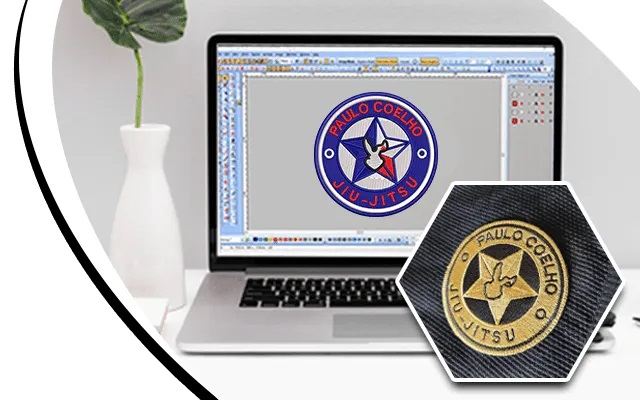
The design must be converted into a digital embroidery file that an embroidery machine can accurately interpret. This process, known as patch digitizing, plays an important role in achieving clean stitching, readable lettering, and consistent results.
Choosing the best online patch digitizing services USA can help individuals and businesses prepare their designs for professional embroidery. Online services make it convenient to submit artwork, communicate design requirements, and receive embroidery files without visiting a physical location. Understanding the digitizing process and evaluating service quality can help you make an informed decision.
What Is Patch Digitizing?
Patch digitizing is the process of converting a logo, illustration, text, or other artwork into a machine readable embroidery file. Specialized software is used to determine stitch types, stitch directions, stitch density, underlay, and other technical settings needed to reproduce the design with thread.
Unlike ordinary image conversion, embroidery digitizing requires technical knowledge and practical experience. The digitizer must consider the design size, fabric characteristics, thread behavior, and embroidery method before assigning stitch settings.
A properly digitized patch can produce clean outlines, balanced stitching, and legible details. Poor digitizing may cause thread breaks, fabric puckering, uneven coverage, or distorted lettering. For this reason, professional digitizing is an important step in preparing patches for reliable production.
Why Choose Online Patch Digitizing Services in the USA?
Online patch digitizing services offer flexibility for embroidery businesses, clothing manufacturers, independent designers, and individuals. Customers can submit their artwork digitally and receive the completed files through an online platform.
Convenience is one of the main advantages. Customers can compare service providers, review portfolios, and communicate their requirements without traveling to a physical shop. Many providers also offer multiple embroidery file formats to accommodate different machines.
Online services may also provide flexible delivery options, depending on the complexity of the artwork and the provider's workload. Digital communication makes it easier to request adjustments, clarify technical details, and maintain records of previous designs.
For businesses that regularly produce embroidered patches, working with a consistent digitizing provider can simplify production planning and help maintain uniform quality across different orders.
How to Choose Right Online Patch Digitizing Partner
Begin by reviewing the provider's portfolio and looking for designs similar to your own. Pay attention to lettering, curved outlines, small details, borders, and areas with dense stitching. If available, examine physical embroidery samples instead of relying entirely on digital previews.
Next, read customer feedback for recurring comments about accuracy, communication, delivery, and revision handling. No single review guarantees quality, so consider the overall pattern of feedback alongside the provider's demonstrated experience.
Prepare your artwork carefully before submitting it. Vector artwork or a high resolution image can help communicate the original design accurately. Include the desired patch dimensions, fabric type, border style, thread colors, and intended embroidery method.
Finally, test the digitized file before beginning large scale production. A sample sew out can reveal issues that may not appear on a computer screen, including distorted lettering, excessive density, thread tension problems, and fabric puckering. Request appropriate adjustments before approving the design for bulk production.
Frequently Asked Questions
What Is the Best File Format for Patch Digitizing?
The appropriate format depends on your embroidery machine. DST is commonly used in commercial embroidery, while formats such as PES, EXP, JEF, and VP3 support particular machine systems. Confirm compatibility before ordering.
How Much Do Online Patch Digitizing Services Cost?
The cost varies according to design complexity, stitch count, size, turnaround time, and revision requirements. Request a quote based on your specific artwork to understand the total cost before placing an order.
How Long Does Patch Digitizing Take?
Turnaround time depends on the provider's workload, design complexity, and delivery options. Simple designs may be completed faster than detailed artwork. Confirm the estimated delivery time before submitting your order.
Can I Use the Same Digitized File for Every Patch Size?
Not always. Changing the dimensions significantly can affect stitch density, lettering readability, and small details. A design intended for a small patch may need adjustments before it can be embroidered at a larger size or reduced for a smaller application.
Conclusion
Choosing the best online patch digitizing services USA requires careful consideration of stitch quality, technical experience, file compatibility, pricing, customer support, and delivery time. A well prepared embroidery file helps reduce production problems and ensures that artwork translates effectively into stitched designs.
By comparing portfolios, providing clear specifications, checking revision policies, and testing a sample before bulk production, you can select a digitizing service that suits your needs. Whether you are producing custom patches for clothing, uniforms, promotional products, or personal projects, professional digitizing can support consistent embroidery quality and more efficient production.